

An arc flash study tells you what the hazard is. Training is what makes that information useful to the person standing in front of the panel. AMP delivers NFPA 70E and NFPA 70B training built around your facility, your equipment, and the study results we produced for you.
NFPA 70E: Electrical Safety in the Workplace
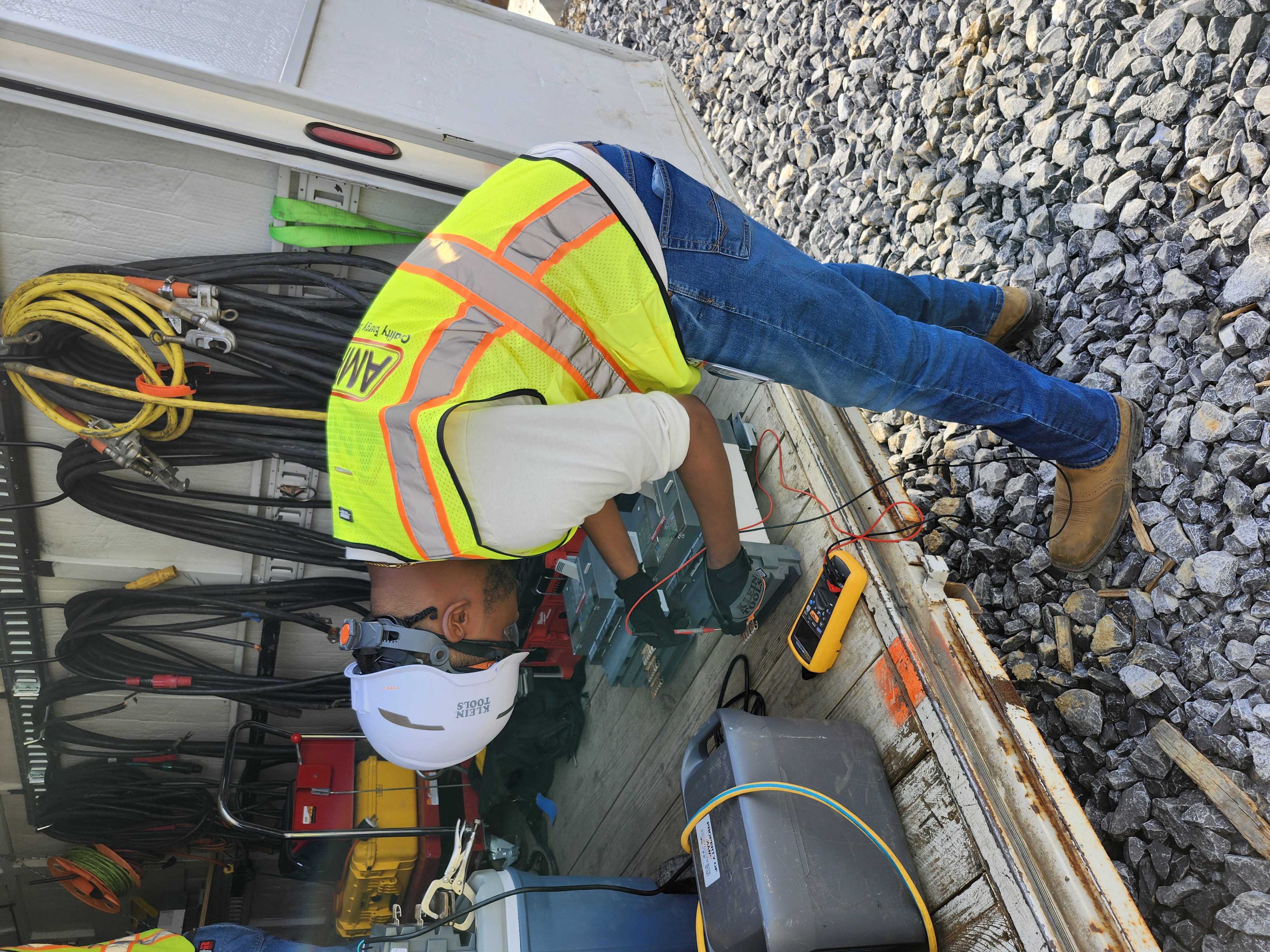
NFPA 70E training is a requirement for qualified persons under Article 110.2, and it has to be documented and refreshed at intervals not to exceed three years.
- Recognizing shock and arc flash hazards
- Reading and applying your equipment's arc flash labels
- Approach boundaries and the energized work permit
- PPE selection, inspection, and care
- Establishing an electrically safe work condition (lockout/tagout)
- Risk assessment and the hierarchy of controls
NFPA 70B: Electrical Equipment Maintenance
With the 2023 edition, NFPA 70B became a standard rather than a recommended practice, which changes what an inspector expects to see. Training covers what the shift to a mandatory maintenance program means for your facility.
- Building and documenting an electrical maintenance program
- Equipment condition assessment and maintenance intervals
- Recordkeeping that will hold up under audit
- How maintenance condition feeds back into your coordination and arc flash studies
Delivery
Training is delivered on-site at your facility, so the equipment used as examples is the equipment your people actually work on. Sessions are scoped to your audience, whether that is a qualified-person crew, a maintenance department, or facility management responsible for the program.
Crew size is not a constraint. Whether you are putting hundreds of people through the material or half a dozen, we size the sessions to fit: large groups split into rooms small enough that people still ask questions, small groups get more time on the specific gear they maintain.
The outlines above are where we start, not a fixed curriculum. If your facility has equipment, a hazard, or an incident history that deserves more attention than a standard course would give it, we build the program around that instead. The same goes the other direction: if your crew has been through 70E four times already, we spend the day on what has changed and on the labels now hanging in your plant rather than repeating the basics.
Our instructors do this work for a living. They perform the studies, run the tests, and stand in front of the same energized gear your people do. That is what keeps a day of training from turning into a slide deck read out loud. Sessions lean on real equipment, real findings, and the kind of stories that make a hazard stick with someone long after the class is over.
Scheduling
Second shift, third shift, weekends. No problem. Our instructors are available any time, day or night, so training happens when your people are actually on site. Nobody gets called in on their off hours, and you are not sending a crew to class too tired to absorb any of it.
Get started
To scope a training program, email sales@ampqes.com or call (256) 513-8255.
